Summer School in Japan for Teenagers: Tokyo, Kyoto and Japan Group Tours Compared
Choosing a summer school in Japan for teenagers starts with an honest point many listings skip: most programmes advertised under this search are pure Japanese language camps, and they are not all built the same way. Our three Japan programmes are different again — and different from each other. One is a two-week university camp in Tokyo where every student studies elementary Japanese alongside electives taught in English. One is a Kyoto programme built around daily Japanese lessons and traditional culture. The third is not booked by individual families at all: it is a tailor-made study tour built for a whole school group.
This guide compares all three with their real ages, dates and fees, and explains how much Japanese each one teaches and what to confirm before you book.
What a summer school in Japan for teenagers actually involves
Japan programmes for teenagers generally fall into three shapes. The first is the dedicated language camp: daily Japanese classes, usually with a homestay, for students who study Japanese or want to start it seriously. The second is the combined programme, where Japanese is one part of a wider timetable of subjects, workshops and excursions — better for a teenager whose main goal is experiencing Japan. The third is the school group tour, organised by a teacher around that group's own learning goals.
Our three programmes map onto the second and third shapes, with one foot in the first. The Tokyo Summer Camp is a combined programme: Japanese is compulsory but elementary, and the rest of the teaching is in English. The Kyoto Culture and Language Programme comes closest to the language camp model, with daily lessons at its centre. The Japan Group Study Tours are built to order for groups. None requires any Japanese to join, and none is exam preparation.

Tokyo Summer Camp: university classes, elementary Japanese and a homestay
The Tokyo Summer Camp is a two-week programme for ages 12 to 17, based at Lakeland University Japan, the Tokyo campus of an accredited American university in Ryogoku — the city's traditional sumo district, described on the course page as one of Tokyo's safest and most peaceful neighbourhoods. It runs in three fixed sessions in 2027: 4–17 July, 18–31 July, and 1–14 August, arriving on the Sunday and departing on the Saturday.
Mornings are university classes, Monday to Friday, taught in English by university professors. Every student takes Elementary Japanese — conversation, greetings, etiquette, and the hiragana and katakana scripts — and chooses one elective each week, two across the fortnight, from fields such as business and leadership, global communication and Japanese studies, including manga and anime history. Each elective needs at least 15 students to run, with an assessment each Friday. Students finish with a signed university certificate, plus digital micro-credentials in Japanese and in their two electives.
Afternoons turn Tokyo into the classroom: Shibuya, Akihabara's anime culture, a kimono experience in Asakusa, sushi-making and calligraphy workshops, the Tokyo National Museum, Tokyo Skytree, and a Saturday trip to Kamakura. Most individual students live with a vetted Japanese host family, eating breakfast and dinner at home and travelling to campus by train — about an hour each way, which is part of the independence the camp builds. Dormitory and hotel options exist, but only for groups of 15 or more.
Fees depend on accommodation. Homestay costs £3,650 at the early-bird price, or £3,800 standard. For groups, Dorm A (four per room) is £3,820 early bird or £4,100 standard, Dorm B (twin rooms) £4,020 or £4,500, and a private hotel room £4,460 or £4,970. The fee includes tuition and materials, 13 nights' accommodation, meals, local travel, group airport transfers, entrance fees and activities, the certificate and 24/7 support. Flights, compulsory travel insurance, lunch on arrival and departure days, and spending money are not included.
Kyoto Culture and Language Programme: daily Japanese and traditional crafts
The Kyoto programme is the most language-centred of the three. It runs year-round — not only in summer — on dates arranged with you, and it is open to all ages, so a teenager can join in the school holidays. The sample programme is two weeks, priced at £3,500 per student for 14 days and 13 nights, with other lengths quoted on request.
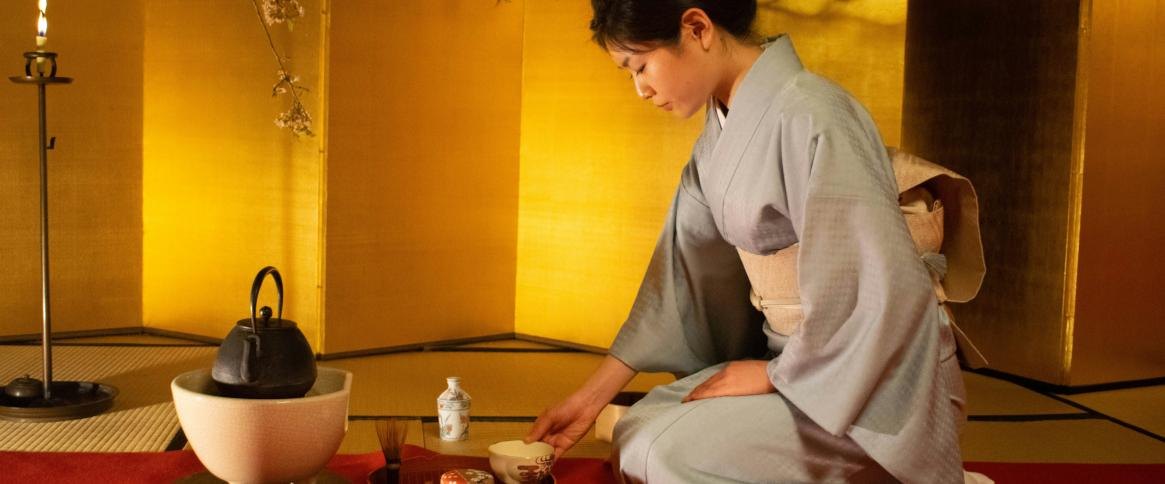
Daily Japanese language and etiquette lessons are taught in small groups by the Kyoto City International Foundation, a recognised language partner affiliated with the city of Kyoto. The emphasis is practical: everyday phrases and customs, put straight into practice the same day — ordering food, greeting a host family, behaving correctly at a shrine. Around the lessons sit hands-on workshops: the tea ceremony, kintsugi (repairing pottery with gold), wagashi sweet-making, sushi-making, and Nishijin weaving and dyeing. Students walk the Fushimi Inari trail, visit temples across the city, and take day trips to Nara and Osaka.
Accommodation is your choice of hotel — standard or premium — or a homestay. The fee includes tuition and materials, 13 nights' accommodation, all meals, airport transfers, a local transport pass, entrance fees, all workshops and 24/7 welfare support. Flights, travel insurance and spending money are not included. A deposit of £1,000 per student secures a place; book at least three months before arrival.
Japan Group Study Tours: a tailor-made option for schools
The third option is for teachers rather than individual families. Japan Group Study Tours are private, tailor-made programmes for school groups, running year-round for 7 to 21 days, in Tokyo or Kyoto, for groups of all ages. Every programme is quoted individually; the published example fee is from £3,800 per student for a two-week programme for a group of 15 or more. One group leader travels free for every 15 paying students, on the land package only.
A group chooses between two pathways — or combines them. The Tokyo pathway follows the Lakeland University Japan model: morning university courses taught in English, with four courses over two weeks chosen from STEAM, business, history and culture, and Japanese studies lists. The Kyoto pathway follows the language and culture model, with practical Japanese in Japan's cultural capital. Afternoon themes and weekend excursions are built around the group's goals, with add-ons priced on request.
The example two-week fee includes tuition and materials, 13 nights' accommodation, all meals, airport transfers, local travel, entrance fees and activities, the certificate and 24/7 support. Flights, compulsory travel insurance and spending money are excluded. A deposit of £1,000 per student secures the group's places; book at least three months ahead.
Tokyo, Kyoto or a group tour? The three compared
| Programme | Who it is for | Dates and length | Japanese teaching | Accommodation | Fee |
|---|---|---|---|---|---|
| Tokyo Summer Camp | Ages 12–17; individuals in homestay, groups of 15+ in dorms or hotel | Three fixed 2-week sessions, 4 July – 14 August 2027 | Elementary Japanese for every student, plus two electives; other classes taught in English | Homestay; dorms and hotel for groups only | From £3,650 (early-bird homestay; £3,800 standard) |
| Kyoto Culture and Language | All ages; individuals and families choosing their own dates | Year-round, dates to suit you; sample programme 2 weeks | Daily Japanese language and etiquette lessons in small groups | Standard or premium hotel, or homestay | £3,500 for 2 weeks |
| Japan Group Study Tours | School groups of all ages (example fee: groups of 15+) | Year-round, 7–21 days, tailor-made | Group's choice: Tokyo university courses in English, Japanese studies courses, or Kyoto practical Japanese | Homestay, student residences or hotels | Example from £3,800 (2 weeks, group of 15+) |
Read the table by your starting point: a teenager of 12 to 17 travelling independently fits the Tokyo camp, if its fixed dates match your school holidays; if language and culture matter most, or your dates fall outside July and August, choose Kyoto; teachers should start with the group tours.
How to judge whether the Japanese teaching is right for your teenager
Because search results for this phrase are dominated by language camps, it is worth being precise about the level of Japanese each programme delivers. Tokyo teaches elementary Japanese to everyone — survival language, the two scripts, and manners — but it is one of two morning classes, not a full language course, and it starts from zero by design. Kyoto teaches Japanese every day, in small groups, with etiquette woven through it; it is the stronger choice for a teenager who already learns Japanese at school or wants language at the centre of the trip. Neither is examination preparation, and neither assumes any level on arrival.
So ask three questions. First, what is the main prize: the language, the culture, or the experience of living in Japan? Second, how does your teenager feel about Tokyo's homestay commute — about an hour each way by train — compared with a hotel base in Kyoto? Third, do your dates fit? Tokyo runs on three fixed fortnights; Kyoto and the group tours can be arranged around you. If what your family really wants is an intensive language-school course with graded levels and exam outcomes, say so when you contact us and we will tell you honestly how these programmes compare.
Accommodation, supervision and safety in Japan
All three programmes include 24/7 support, but the detail differs. Tokyo promises an emergency phone line around the clock, on-site mentors, daily check-ins, buddy systems on excursions and adult supervision for all 14 days, with host families carefully vetted. Kyoto has a supervisor on hand 24 hours a day, mentors on every trip, and one adult for every ten students; the group tours quote the same 1:10 ratio, with a dedicated welfare team.
One practical point deserves emphasis: homestay students in Tokyo travel to campus by train, roughly an hour each way. For most teenagers this becomes a highlight and a real step in independence, but a nervous younger traveller may prefer Kyoto's hotel base. Parents should also ask us at the enquiry stage exactly how arrival day, free time and evenings are handled for their child's programme.
Dates, deposits and what to confirm before you book
The deposit rules differ across the three programmes. For Kyoto and the group tours, a deposit of £1,000 per student secures the places. Tokyo works differently: you secure the early-bird price by paying a deposit of 10% by 31 December 2026, or 20% by 31 January 2027. Tokyo deposits are non-refundable and count towards the full fee.
Some things the programme pages do not cover, so confirm them with us at booking: your child's visa or entry requirements for Japan, which depend on nationality — the official Japan National Tourism Organization site is a useful starting point, but ask us what applies to your teenager before booking flights. Travel insurance is compulsory on all three programmes and never included; flights are excluded everywhere; and Tokyo's included group transfer from Narita applies to arrivals by 15:00, with private transfers costing extra. Raise dietary needs and medical arrangements at the enquiry stage too.
Still weighing Japan against the UK itself? Our Future Pathways Worldwide programme, from £3,745, is the closest alternative in our overseas range — but for a teenager set on Japan, the three programmes above are the real choice.
Frequently asked questions
Does my teenager need to speak Japanese to join?
No. All three programmes state that no Japanese is needed. In Tokyo, Elementary Japanese is taught from the beginning, and all other classes are taught in English. In Kyoto, the daily lessons assume a beginner starting point and focus on everyday phrases and etiquette.
How much does a summer school in Japan for teenagers cost in 2027?
For two weeks: Kyoto costs £3,500 per student; Tokyo starts from £3,650 at the early-bird homestay price (£3,800 standard), rising with dormitory and hotel options for groups; and the group tours give an example fee from £3,800 for a group of 15 or more. Flights and travel insurance are not included in any of them.
What is the difference between the Tokyo and Kyoto programmes?
Tokyo is a fixed-date university camp for ages 12 to 17: elementary Japanese plus electives taught in English, a homestay, and afternoons exploring the capital. Kyoto runs year-round for all ages on dates arranged with you, and centres on daily Japanese lessons and cultural workshops, with hotel or homestay.
Can individual students join, or are these programmes for groups only?
Individual students are welcome in Tokyo (homestay option) and in Kyoto. Only the group study tours are groups-only by design, and Tokyo's dormitory and hotel options are reserved for groups of 15 or more.
How are students supervised in Japan?
All three programmes include 24/7 support. Kyoto and the group tours work to one adult for every ten students, with daily check-ins and mentors on excursions; Tokyo has on-site mentors, daily check-ins and buddy systems on every trip. Host families are carefully vetted.
What deposit is needed to book?
Kyoto and the group tours ask for £1,000 per student. Tokyo instead secures its early-bird price with a deposit of 10% by 31 December 2026 or 20% by 31 January 2027; Tokyo deposits are non-refundable and count towards the full fee.
Talk to us about a summer in Japan
If one of these programmes looks right for your teenager — or you are a teacher planning for a group — the next step is a conversation about dates and accommodation, so we can confirm the details the pages leave open. When you are ready, you can complete the booking form, or contact us at info@summerschool-uk.com or on +44 (0)7414 936818.
Residential summer courses at leading UK schools and universities.