English Summer School in the UK: The 2026 Guide for International Students
By the Editorial Team · Updated Sep 2026 · 6 min read · Category: Study in the UK
Every summer, tens of thousands of students fly to the UK to learn English. Most arrive expecting a classroom and a certificate. The good ones get something more useful: four weeks of being unable to order lunch, find a bus or argue with a roommate in their own language. That is where fluency actually comes from.
This guide is written for parents and students choosing an english summer school for the first time — what the courses really involve, what they cost in 2026, how to check a provider is legitimate, and how much progress is realistic.
What Is an English Summer School?
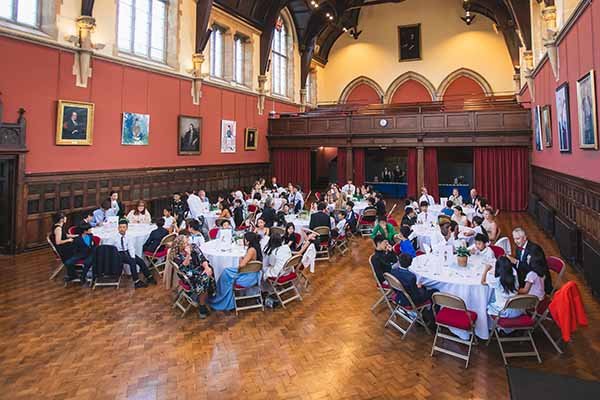
An English summer school is a short, intensive language programme held during the summer holidays, usually between late June and late August. Courses run from one week to eight, students are typically aged 10 to 25, and teaching takes place on a school, college or university campus that is empty for the summer.
How It Differs from a Summer Camp
This distinction matters more than most brochures admit. A summer camp is built around activity, with English lessons filling the mornings. An english summer school is built around the classroom, with activity filling the afternoons and evenings.
In practice:
- A camp might offer 8–12 hours of English a week, taught by activity staff.
- A language school offers 15–25 hours a week, taught by qualified EFL teachers, with placement testing and a written report at the end.
If your goal is confidence and conversation, either works. If your goal is an IELTS score, a school place or a CEFR level, only the second one will deliver it. Ask for the number of taught hours in writing — it is the single fastest way to tell the two apart.
Who It Is For
Junior programmes (ages 10–17) dominate the market and are residential by default. Adult courses (18+) sit in city centres such as London, Oxford, Cambridge and Edinburgh, usually non-residential with host family or residence options.
What a Typical Week Looks Like
Most residential junior courses follow a very similar shape. Knowing it helps you spot a timetable that is thinner than advertised.
| Time | Slot | What students actually do |
|---|---|---|
| 07:30–08:45 | Breakfast | Boarding house or dining hall |
| 09:00–12:30 | English lessons | Two or three taught blocks with a break |
| 12:30–13:30 | Lunch | Hot meal, usually with staff |
| 13:30–17:00 | Activities | Sport, arts, projects, one weekly excursion |
| 17:00–18:30 | Clubs & free time | Debate, drama, football, quiet time |
| 19:00–21:00 | Evening programme | Quiz, film, talent show, disco |
| 21:30–22:30 | Dormitory | Supervised wind-down, lights out by age |
Wednesday and Saturday are usually excursion days — a city, a university, a castle or a theme park. Good schools build a task around the trip so students come back writing about it.
Course Types
General English
The default choice. Grammar, vocabulary, speaking and listening in mixed-nationality groups, with a placement test on day one. Suitable for every level from A1 to C1.
Exam Preparation (IELTS, Cambridge, Pearson)
Focused, faster and harder. Expect two papers a week, timed practice and homework. Worth choosing only if you have a deadline and a current level within about one band of your target.
Academic English and Pre-Sessional
Essay writing, seminar skills, note-taking and presentation practice for students heading to a UK school or university. Often sits alongside subject tasters in law, medicine, engineering or business.
English Plus
English in the morning, a specialty in the afternoon — football, tennis, drama, coding, art or leadership. Popular with juniors who would not choose a pure classroom course.
Professional and Adult English
Business English, medical or legal English, and teacher refresher courses, mostly in London and Oxford for ages 18+. Classes are smaller and the pace is higher.
What Does an English Summer School Cost in 2026?
Prices below are per student per week and reflect what established UK providers charge. London and private boarding campuses sit at the top of each range.
| Course type | Typical length | Price per week | Usually included |
|---|---|---|---|
| General English, day school | 2–6 weeks | £250 – £500 | Lessons, materials, some activities |
| General English, residential | 2–6 weeks | £850 – £1,500 | Full board, lessons, activities, excursions |
| Exam preparation (IELTS/Cambridge) | 2–8 weeks | £950 – £1,800 | As above plus exam practice materials |
| Academic / pre-university | 2–4 weeks | £1,400 – £2,400 | University campus, subject tasters |
| Premium private campus | 1–4 weeks | £1,800 – £3,000+ | Small classes, premium site, full programme |
Budget separately for the extras that catch families out: airport transfers (£60–£180 each way), exam fees (£170–£250 for IELTS), guardianship for under-18s on longer courses (£300–£600), travel insurance, and pocket money of £40–£80 a week.

english summer school
Six Checks Before You Book
- Accreditation. Look for British Council accreditation or an ISI inspection report for junior programmes; both are public and searchable. Membership of English UK is a good supporting signal, not a substitute.
- Taught hours. Ask how many hours are classroom teaching, not “contact time”. Anything under 15 hours a week for a language course is thin.
- Class size and level split. Twelve to fifteen is normal; over eighteen is a red flag. Confirm students are placed by level, not by age or nationality.
- Nationality mix. Ask for last summer’s split. A course that is 70% one language delivers far less English than the brochure suggests.
- Welfare. A named pastoral lead, a 24-hour emergency number, a written medical process and staff living on site. Ask what happens if a student is ill at 2am.
- Outcomes. A placement test on arrival, a weekly tutorial, an end-of-course report and a certificate with a stated CEFR level. If there is no report, there is nothing to take home.
A provider that answers all six clearly, in writing, within two working days is usually a provider worth paying.
english summer school
Visas, Insurance and Practicalities
Visa rules change, so treat this as orientation and confirm details on the official UK government site before booking.
Short Courses Up to Six Months
Most summer students enter on a Standard Visitor visa, which permits a short course of study including English language. Nationals of many countries do not need a visa in advance but should still carry evidence — the booking confirmation, accommodation details and funds.
Longer English Courses
Courses of six to eleven months are handled under a separate short-term study route with different evidence requirements. Anything over eleven months moves into the Student visa system.
Under-18s
Expect to supply a parental consent letter, accommodation details and the named UK guardian or supervising adult. Schools issue the acceptance letter you need, but only after payment, so build in the lead time.
Insurance and Money
Take travel and health insurance that covers pre-existing conditions and sports, and agree a weekly spending limit in advance.
english summer school
english summer school
How Much English Will You Actually Learn?
Honest answer: less than marketing claims, more than a term at home.
Two weeks buys confidence — students stop translating in their heads and start speaking. Four to six weeks can move a student half a CEFR band, sometimes more, if the nationality mix is good and they speak English outside class. Nobody jumps from B1 to C1 in a summer.
The gains hold up only if the input continues afterwards: a reading habit, a series in English, an online tutor fortnightly. Parents who plan for September usually see the difference; parents who don’t often watch it fade by Christmas.

Frequently Asked Questions
What is the difference between an english summer school and a summer camp?
A summer camp is activity-led with English in the mornings; an english summer school is classroom-led with activity around it. The reliable test is taught hours — 15 or more a week means a language course.
How long should my child stay?
Two weeks gives confidence. Four to six weeks gives measurable progress. Beyond six weeks, motivation drops unless the course has a clear goal such as an exam.
Can my child go alone?
Yes. Junior residential courses are designed for unaccompanied students, with staff on site and supervised transfers. Most schools recommend age 11 or 12 as the comfortable minimum for a first solo trip.
Do they need to be fluent already?
No. Courses place students from complete beginner upward. What matters is arriving willing to speak — the placement test does the rest.
Is London worth the extra cost?
If the priority is English, often not. Smaller cities and boarding campuses usually deliver a better nationality mix and more speaking time per pound. London wins on museums, theatre and prestige.
When should we book?
December to March for the following summer. Popular campuses and exam courses fill first, and visa lead time matters more than most families expect.
Making Your Decision
An english summer school is not a holiday with a workbook. It is the one format where a student is immersed in English, taught by specialists, supervised properly and home again in a month.
Use the six checks, ask for taught hours and last year’s nationality split, and compare the full cost including transfers and exams. The right course is the one where the student is too busy to be homesick.
If you are still weighing formats, our UK summer camp guide and comparison of UK summer courses for international students cover the wider picture, and Summer Camp 360 sets out a five-point framework for judging any programme.
EXPLORE 2026 ENGLISH SUMMER SCHOOLS
/english-summer-school-courses