Boarding School Summer School in the UK: Try Boarding Life Before You Commit
Last updated: 8 November 2026
Choosing a British boarding school is one of the biggest decisions a family can make — and one of the hardest to make from a brochure. That is why many parents start with a boarding school summer school UK programme: a residential course of one to five weeks on the campus of a real boarding school, where your child sleeps in the boarding houses, eats in the dining hall and follows the rhythm of boarding life, while studying English or an academic subject.
This boarding school summer school UK guide explains how these courses work, why families use them as a taster before committing to a full-time place, and how the options compare for summer 2027.
What is a boarding school summer school in the UK?
A boarding school summer school in the UK is a short residential course, usually lasting one to five weeks in July and August, at an independent boarding school during the summer holidays. Students live in the school's own boarding accommodation, study in its classrooms, and join excursions and evening activities.
Academically, these courses cover familiar ground: English language, English plus activities, and academic subjects such as science and entrepreneurship. What makes them different is the experience around the lessons: your child lives the routines of a boarder — waking in a boarding house, breakfast with housemates, and their own time and belongings to manage. A prospectus can show photographs of a boarding house; only staying there tells you how your child feels about it.
Why families use a summer course as a boarding taster
The most common reason parents give us is that they are considering full-time boarding in the future, and want their child to try it first — in a short, supported stay with a definite end date. Real life answers questions no school visit can:
- Can my child sleep away happily? Homesickness in the first days is normal. What matters is whether they settle — and a week or two with house staff whose job is exactly this usually shows you.
- How independent are they really? Boarding asks children to organise their mornings, kit, free time and friendships.
- Does the house system suit them? Shared routines, house events and staff who know them by name are the heart of British boarding. Some children thrive on it; others prefer a smaller, quieter setting.
- What kind of school should we look at? A large London campus, a historic countryside school and a small family-style school feel very different. A taster narrows down type, size and location.
Honesty matters here. Attending a summer school at a UK boarding school does not give your child priority, a guaranteed place or any formal advantage in admission to that school — or any other — for term-time study. Full-time places are decided through each school's own admissions process, involving assessments, interviews and reports; a summer course is never a shortcut. What a taster gives you is evidence: a child who can tell you, from experience, whether they liked boarding.
What boarding life on a summer course actually involves
Every school is different, but summer boarding follows a recognisable pattern — and the boarding detail on each course page is worth reading closely.
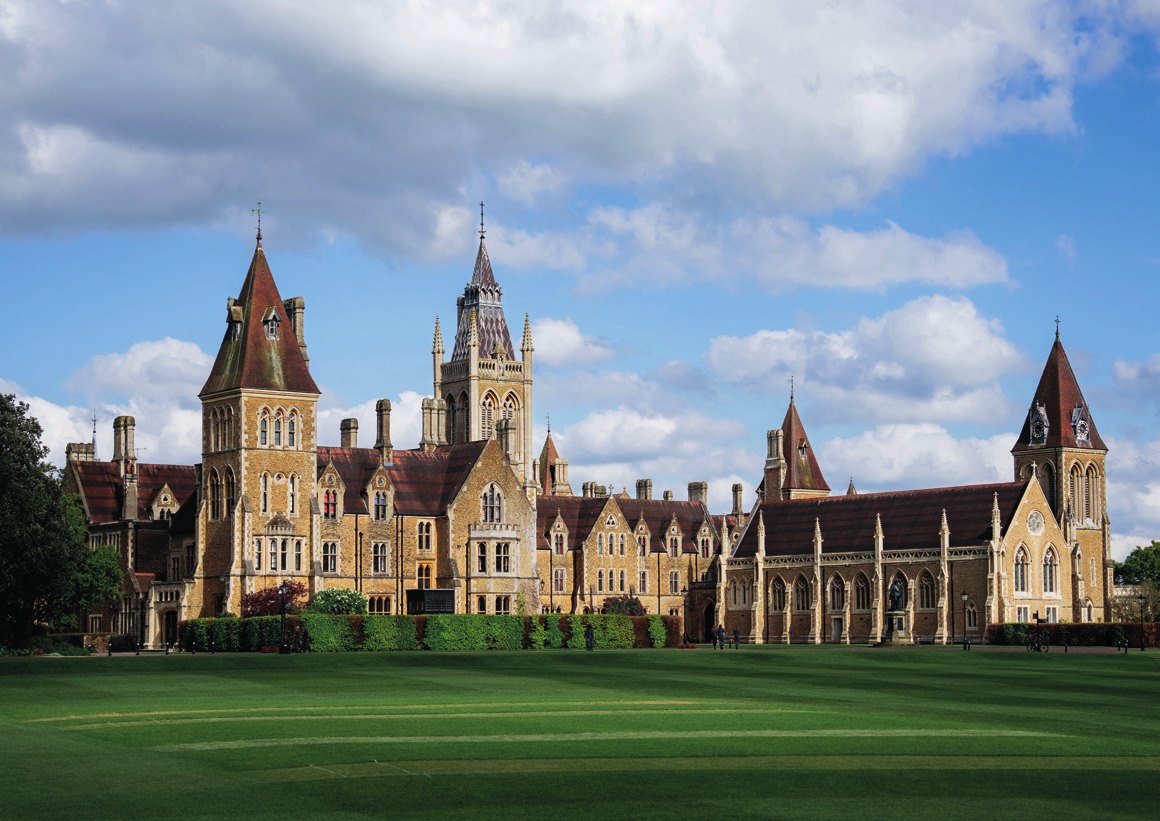
The boarding house. Rooms vary: single, twin and shared, often en-suite. Whitgift's students stay in Founder's House, renovated in 2025, in single, twin and triple en-suite rooms shared with students of the same gender and similar age. Charterhouse students live in traditional 19th-century houses, in single, twin or quad rooms. Winchester's students are among the first to use brand-new houses opened in September 2026, with single or twin en-suite rooms. At Oswestry, students live in three houses, where many rooms are en-suite and most are built for two to share, with some larger dormitories younger pupils often ask for.
House staff and pastoral care. Houses are run by resident house parents who live on site and are the first port of call if a child is unwell or homesick. Oswestry has a resident House Parent and Assistant in each house plus round-the-clock pastoral care; Whitgift's House Parents live in the house itself; Wycombe Abbey provides 24-hour support, with staff on duty overnight. For most courses, 24-hour supervision is part of the standard offer on our fees and dates page.
Houses as communities. Dulwich builds house events into every evening, with house time before lights out; at Winchester, students join teams spanning the houses and compete for points all fortnight. Boys and girls live separately, as the Dulwich, Wycombe Abbey and Whitgift pages state. Our guide to a day in the life at a UK summer school describes that rhythm in more detail.
Choosing a boarding taster by age
Ages 8–12: a gentle first stay. Look for a shorter stay and a programme built for juniors. Oxford Young Explorers at Dragon School (ages 8–12, two weeks) is designed for this age group, while Oswestry (ages 8–18) offers stays from a single week.
Ages 10–13: independence with structure. Children this age often get most from the taster idea: old enough to manage boarding routines, young enough that a full-time decision is still years off. Charterhouse and Winchester take students from age 10, Wycombe Abbey from 11.
Ages 12–18: testing the real thing. For students who may board for GCSE or sixth-form years, a summer stay is a direct rehearsal. Whitgift (ages 12–18) adds British student ambassadors in lessons and activities, while Dulwich (ages 12–16) combines a London campus with career-focused study. Our guide to how to choose a UK summer school covers the wider decision.
How to judge a boarding school summer school UK course
Because the boarding experience is the product, judge these courses first as the parent of a future boarder. Ask:
- Who looks after my child at night? Resident house parents in the house itself, overnight supervision and 24-hour welfare cover, stated on the course page.
- What are the rooms really like? Single, twin or dormitory? En-suite or shared? The courses below state their room types openly; be wary of any that will not say.
- How are roommates chosen? Good programmes room children with the same gender and similar age, mixing nationalities so English is the shared language.
- What if my child is homesick or unwell? Ask about the pastoral team and medical care. A welfare manager or on-site nurse is a strong sign.
- What does the fee include? Accommodation, meals, activities, excursions, laundry and supervision should be spelled out before you pay a deposit.
Boarding school summer school UK courses compared for 2027
These seven courses all take place at UK boarding schools, with students living on campus. Fees are 2027 starting fees; full dates are on our summer school fees and dates page.
| Course | Location | Ages | Fees from | Best for |
|---|---|---|---|---|
| Oswestry School | Shropshire | 8–18 | £1,350 | A first taster — stays from one week |
| Oxford Young Explorers, Dragon School | Oxford | 8–12 | £2,995 | Younger children, in a course built only for juniors |
| Dulwich College | London | 12–16 | £3,495 | Boarding life with career-focused study in London |
| Whitgift School | South London | 12–18 | £4,350 | Modern en-suite boarding, British student ambassadors |
| Wycombe Abbey | Buckinghamshire | 11–17 | £4,400 | A premium, fully inclusive boarding experience |
| Charterhouse School | Surrey | 10–17 | £4,800 | Traditional houses and a chosen academic subject |
| Winchester College | Winchester | 10–17 | £4,800 | Historic college, brand-new en-suite houses |
Oswestry School — the flexible first taster
Oswestry School in Shropshire is the most flexible starting point here: stays run from one to five weeks, so a cautious family can test boarding with a single week first. Students live in the school's three boarding houses. Fees start from £1,350 for one week.
Dragon School, Oxford — built for 8 to 12 year olds
The Oxford Young Explorers course at Dragon School is the only option here designed exclusively for younger children, ages 8–12, running for two weeks in Oxford with fees from £2,995. For a first experience of living away at a famous Oxford prep school, that single-age focus is what many parents of younger children want.
Dulwich College — boarding on a London campus
Dulwich College offers summer boarding in south London for ages 12–16, with single, dorm and en-suite rooms on a traditional campus, boys and girls living separately. Students choose Career Discovery, English Adventures or a professional football experience, with house events built into every evening. Fees start from £3,495.
Whitgift School — modern boarding, British buddies
At Whitgift School in South London (ages 12–18), students board in Founder's House, renovated in 2025, in single, twin and triple en-suite rooms, with House Parents living in. Around 35 of Whitgift's own Student Ambassadors join lessons and activities each week — a rare chance to learn alongside British students. Fees start from £4,350 for two weeks.
Wycombe Abbey — the premium boarding experience
The Wycombe Abbey summer programme (ages 11–17) describes itself as the ultimate boarding school experience: all rooms are en-suite — single, twin and multi-bedded — with boys and girls living separately, staff on duty overnight and 24-hour support from Houseparents on a secure 170-acre campus. The fee from £4,400 includes English, a daily elective and five excursions per two weeks.
Charterhouse — traditional houses, serious subjects
Charterhouse in Surrey (ages 10–17) places students in its traditional 19th-century boarding houses, in single, twin or quad rooms with common rooms in every house. Each student chooses one academic subject and one elective, taught by Charterhouse staff, and evenings bring mixed house teams together. Fees are from £4,800 for two weeks.
Winchester College — historic college, new houses
Winchester College (ages 10–17), founded in 1382, combines a historic setting with the newest boarding here: houses opened in September 2026 with single or twin en-suite rooms. Students follow the CATALYST programme, taught by Winchester teachers, or English Language Coaching. Fees start from £4,800.
Costs, deposits and what is included
Fees for 2027 start from £1,350 for a one-week stay at Oswestry and rise to £4,800 for two weeks at Charterhouse or Winchester. To secure a place, the deposit is £1,000 per student, deducted from the total fee, with the balance due by 1 April 2027. There is no booking fee.
For most residential courses, the fee includes accommodation, all meals, activities, excursions, weekly laundry, a certificate and 24-hour supervision — but transfers and extras differ by school, so confirm the detail on the course page. Airport transfers are £150 each way unless stated as included.
Frequently asked questions
Does attending a summer school help my child get into that boarding school later?
Not directly, and you should not book on that basis. A boarding school summer school in the UK gives no priority, guaranteed place or formal advantage in term-time admissions, which each school decides through its own assessments and interviews. It gives your family first-hand evidence of whether boarding suits your child.
What age can a child first try boarding at a summer school?
The youngest options here start at age 8: Oswestry accepts students from 8, and Dragon School's Oxford Young Explorers is built for ages 8–12. Many families start with a short stay before trying longer the following summer.
What are boarding rooms like on a summer course?
They vary by school. Across this guide you will find single, twin, triple and quad rooms and some larger dormitories for younger pupils; en-suite rooms are standard at Wycombe Abbey, Whitgift and Winchester, and common at Oswestry. Boys and girls live separately, with resident house staff in or near the house.
Who looks after my child outside lessons?
Resident house parents and pastoral teams. Staff live on site, welfare support runs around the clock, and structured evening programmes mean students are supervised from breakfast to lights out. Each course page names its arrangements.
How much does a boarding school summer school UK course cost?
For summer 2027, these courses start from £1,350 (Oswestry, one week) to £4,800 (Charterhouse and Winchester, two weeks). The deposit is £1,000, the balance is due by 1 April 2027, and there is no booking fee. Most fees include accommodation, meals, activities, weekly laundry, a certificate and 24-hour supervision.
Try boarding life this summer
If boarding school is on your family's horizon, a boarding school summer school UK course is the lowest-risk way to find out whether it should be. Start with a short stay, watch how your child settles, and let their experience lead the next conversation. We are happy to advise on which setting fits your child. When you are ready, you can complete the booking form, or contact us at info@summerschool-uk.com or on +44 (0)7414 936818.
Residential summer courses at leading UK schools and universities.