Architecture Summer School in the UK for Teenagers: London and Cambridge Courses for Ages 13–18
If your teenager talks about buildings the way other students talk about football clubs — noticing them, photographing them, sketching them — an architecture summer school in the UK is the natural next step. But this market needs careful reading. Some courses called "architecture" are really city sightseeing with a famous façade or two, while others put students in a studio with a design brief, a tutor and a model to build. This guide explains the difference, and sets out the three courses on our site where Architecture is a named subject for 2027, with real ages and fees.
It is written for students aged 13 to 18 considering an architecture degree, and for their parents: how to judge whether a course teaches design or simply tours buildings, what a student should bring home, and what the options cost.
What an architecture summer school in the UK actually involves
Architecture is not a subject most schools teach, so a summer course has to build it from the ground up. A genuine architecture summer school in the UK centres on the design studio: students work to a brief — a small pavilion, a reimagined public space, a house for a particular client — and develop it through sketches, drawings and physical models, presenting their final design to the group. Around that core sit the supporting skills: observational drawing, how structures stand up, and how light, materials and context shape a building.
The working pattern matters as much as the topic list. At degree level, architecture is learned in the studio, through long project sessions and "crits" where tutors and fellow students question your design and you defend or change it. A good summer course reproduces a gentle version of that rhythm — sustained project time, regular feedback and a final presentation — rather than short, unrelated taster lectures. Students come home knowing whether they enjoy the way architects actually work: iteratively, visually and under friendly challenge.

Why architecture is worth testing before university
Architecture is one of the biggest degree commitments a teenager can make. According to the Prospects guide to becoming an architect, qualifying in the UK typically involves five years of study and two years of practical experience, in stages overseen by RIBA and the Architects Registration Board. That is a long road to start on the strength of liking interesting buildings — and architecture draws on far more: spatial reasoning, some mathematics and physics, history, and the patience to refine one design through many versions.
A summer course is the cheapest honest test of that commitment. One or two weeks of studio work will tell a student whether they love the design process itself, or simply enjoy looking at the results. It also produces something tangible: most architecture degrees ask applicants for a portfolio of creative work, and a summer project — photographed models, development sketches, a short rationale — is exactly the self-directed material a portfolio needs. Even a student who decides against architecture gains: better to learn it in two summer weeks than in the first term of a seven-year route.
Real design course or sightseeing tour? How to tell the difference
Both kinds of course have their place, but they are not the same product, and only one prepares a student for a degree application. Use these checks before you book:
- Is there a design brief and an end product? A design course sets a project and finishes with a model, drawings and a presentation. If the description lists only buildings you will visit, it is a tour.
- Who teaches, and in what group size? Look for named teaching formats — seminars, studio sessions, tutorials — and a stated class size. Small groups matter in a studio subject, because feedback on your design is the teaching.
- Does the timetable show sustained project time? Long blocks for project work signal a studio course; a day chopped into six activities leaves no room to design anything.
- Are materials and model-making included? A course expecting real design work says what students will make and what is provided.
- What will the student bring home? Ask directly. "Photographs of famous buildings" and "a completed design project with tutor feedback" answer two different questions.
- Is Architecture a named subject, or a theme? The strongest sign is a subject table listing Architecture alongside other degree subjects, with set age groups. A "creative week with an architecture day" is a different offer.
None of this requires expert knowledge to check: the course page either answers these questions or it does not — and a provider running a real design course is usually proud to answer them.
The architecture options on our site for 2027
Three of our courses list Architecture as a named subject. They suit different ages and students, so read them as alternatives, not as a league table.
| Course | Ages | Setting | Length | Fees from | Deposit |
|---|---|---|---|---|---|
| UCL Career Camps — Architecture | 15–18 | Central London | 1, 2 or 3 weeks | £1,799 day / £3,249 residential (1 week) | £1,000 |
| Future Pathways Cambridge — Academic Pathway | 13–15 and 16–18 | Cambridge | 2 weeks | £5,995 | £2,000 |
| Future Pathways London — Career Pathway | 15–18 | London | 2 weeks | See course page | £2,000 |
UCL Career Camps in central London offer Architecture as one of 15 career subjects for ages 15 to 18. The format is career-led: around 30 hours a week of subject sessions and career simulations, in small groups of 5 to 10 students, with industry experiences and a career coach. Residential students stay at Ramsay Hall in single en-suite rooms with all meals; day places are also available. Fees start from £1,799 for a one-week day place and £3,249 for one residential week. The camp is run by an independent provider and is not affiliated with or endorsed by University College London — the teaching is the provider's own.
Future Pathways Cambridge is the academic route, and the only option here open to younger students: its Academic Pathway lists Architecture in both the 13–15 and the 16–18 subject tables. Students study one subject at undergraduate level for two weeks in a Cambridge college setting, in seminar groups averaging seven, with 1:1 tutorials and a personal project presented at the end — the closest of the three to the studio-and-crit pattern of a degree. Fees are from £5,995 for the two weeks. Note that on Future Pathways programmes subjects run on selected dates only, so check the subject table before you settle on a particular fortnight.
Future Pathways London includes Architecture in its Career Pathway for ages 15 to 18, combining subject study with a career focus in the capital. We do not quote its fee in this guide — the course page carries its current fees, dates and what is included, and the same "subjects run on selected dates only" note applies. All three courses sit side by side on our summer school fees and dates page.
London or Cambridge? Choosing a setting
Setting shapes an architecture course more than most subjects, because the city outside becomes teaching material. London offers density and contrast: centuries of building styles within a few streets, and industry experiences built around working London. It suits a student who wants to see architecture as a living profession and can handle a big, fast city, with a supervised camp around them.
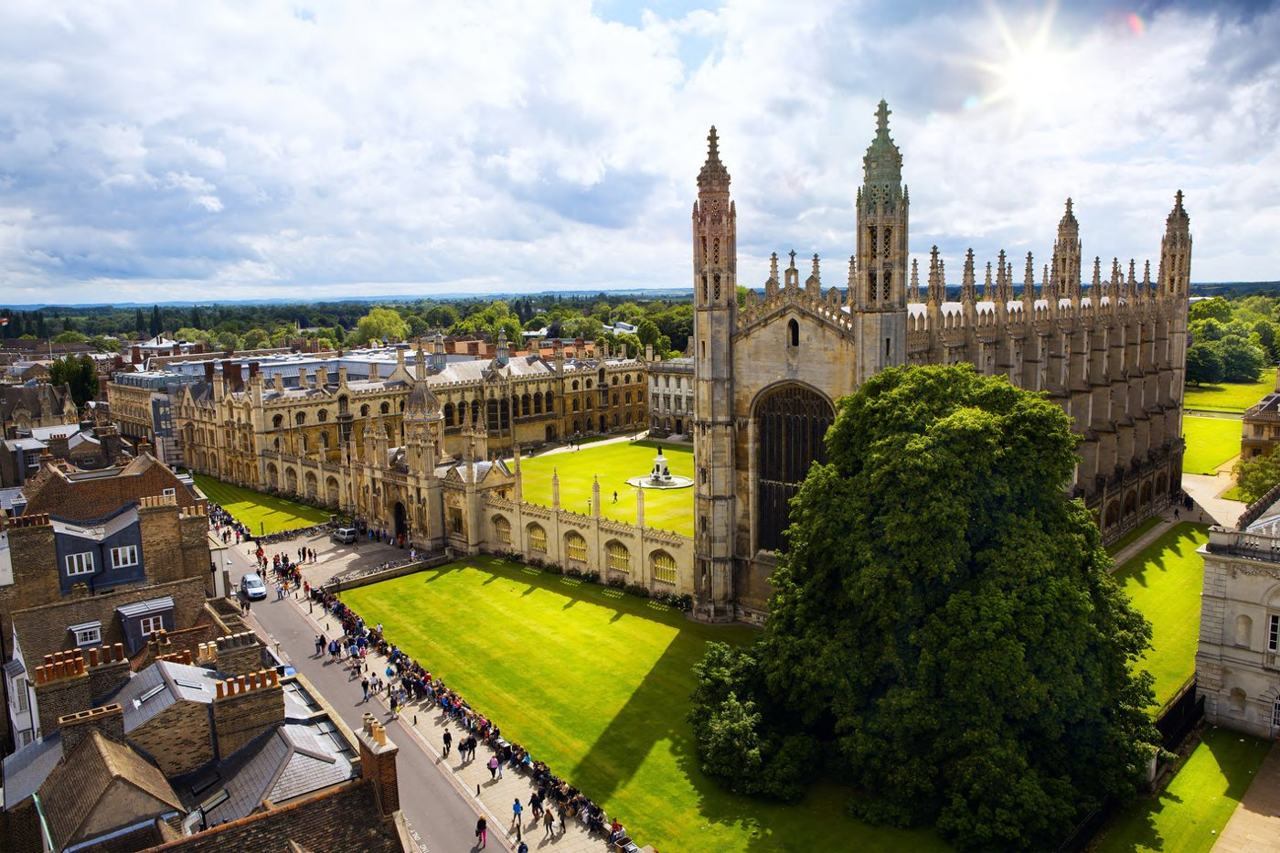
Cambridge offers the opposite lesson: a compact, coherent historic city, where the college setting makes the academic routine — seminars, tutorials, a personal project — feel like a rehearsal for undergraduate life. A student testing "could I study this subject at university?" may get a clearer answer in Cambridge; a student testing "could I do this job?" may get a clearer one in London.
Choosing by age and experience
At 13 to 15, the realistic choice on our site is Future Pathways Cambridge, whose younger band exists for students serious about a subject before GCSE choices are settled. The aim at this age is exploration with structure: one subject studied properly, a first personal project, and honest tutor feedback. No drawing standard is assumed beyond interest — what matters is willingness to work visually and talk about your ideas.
At 15 to 18, all three courses open up, and the choice turns on purpose. A student already fairly sure about architecture will usually get most from the Cambridge academic pathway or the London career pathway, where the subject is studied in depth and the end product can feed a portfolio. A student torn between architecture and other careers may prefer the London career camp, where one provider runs 15 subjects — from engineering to law — and the week is built around testing a working life, with a UCAS day and a career coach included. No formal art or design study is needed for any of these courses, but a sketchbook habit, however rough, makes the first studio day easier.
What a student should bring home
Judge any architecture summer school by its luggage. A student should come home with, first, a finished design project — model, drawings and the sketches that show how the design changed — photographed before it is dismantled, because that sequence is portfolio gold. Second, tutor feedback, ideally written, that names strengths and next steps. Third, a clearer sentence about themselves: "I want to design buildings, and here is the evidence" carries straight into a personal statement, and is far more convincing when it points to real studio work.
Parents can help this land properly. Ask to see the project, not just the certificate; ask what the tutor said, and what your teenager would design differently now. If the answer is detailed and a bit critical, the course did its job. If the honest answer is "architecture is not for me", count that as a success too: it has just saved a very long degree.
Costs, deposits and what is included
For 2027, the fees quoted here are starting points: the London career camp runs from £1,799 for a one-week day place (£3,249 residential), and Future Pathways Cambridge is from £5,995 for two weeks, with Future Pathways London fees shown on its course page.
Deposits are £1,000 per student for the career camps and £2,000 for Future Pathways courses, deducted from the total fee, with the balance due by 1 April 2027. Most residential fees include tuition, accommodation, all meals, activities, excursions with entrance fees, weekly laundry, a certificate and 24-hour supervision, but each course page is the authority for its own course. Airport transfers are £150 each way unless the course page states they are included, and around £100 a week is plenty for pocket money.
One honest caution on value: what is poor value, at any price, is a course that markets architecture and delivers a tour — which is why the earlier checks matter more than the fee.
Frequently asked questions
Does my teenager need to be good at drawing to attend an architecture summer school?
No formal standard is required. Architecture courses teach drawing as a way of thinking, and model-making and discussion carry as much weight as finished artwork. A student who keeps a sketchbook will settle faster, but enthusiasm for buildings matters more than polished technique.
Which course is best for a 13 or 14 year old interested in architecture?
On our site, Future Pathways Cambridge is the option that takes this age group for Architecture, in its 13–15 Academic Pathway band, at undergraduate level over two weeks. The London courses both start at 15, so a younger student set on London would need to wait a year — or treat Cambridge as the first step.
Will a summer course help with an architecture degree application?
It can help in the two ways admissions tutors actually value: a portfolio of self-directed creative work — a completed design project with development sketches is ideal — and a personal statement grounded in real experience of studio study. No architecture summer school in the UK can guarantee a university place, and you should be wary of any that promise one.
Are these courses run by the universities themselves?
No. The programmes on our site are run by independent providers in university and college settings — the career camps state plainly that they are not affiliated with or endorsed by University College London. You are booking the provider's teaching, supervision and organisation, in a setting chosen for the subject.
How much does an architecture summer school in the UK cost in 2027?
From £1,799 for a one-week day place on the London career camp, £3,249 for a residential week, and from £5,995 for the two-week Future Pathways Cambridge pathway; Future Pathways London fees are on its course page. Deposits are £1,000 (career camps) or £2,000 (Future Pathways), balances due by 1 April 2027.
Do Architecture places run on every date?
Not necessarily. On Future Pathways programmes, subjects run on selected dates only, and availability can change, so confirm Architecture is running in your chosen fortnight on the course page — or ask us — before booking travel around it.
Talk to us about architecture
If your teenager is weighing up architecture against other subjects, or you want to check that Architecture is running on your dates, talk it through with us first — we can confirm subjects, dates and fees in writing. When you are ready, complete the booking form, or contact us at info@summerschool-uk.com or on +44 (0)7414 936818.
Residential summer courses at leading UK schools and universities.