London Summer School for International Students: The 2027 Guide
Choosing a London summer school for international students is one of the most exciting decisions a family can make — and one of the hardest to compare. London has dozens of summer programmes, spread from Westminster to leafy South London suburbs, with fees ranging from just over £1,000 to over £4,000. This guide compares the six London programmes we offer for summer 2027 side by side: ages, dates, course lengths, fees, campus styles and who each one suits, so you can choose with confidence.
Why Choose a London Summer School for International Students?
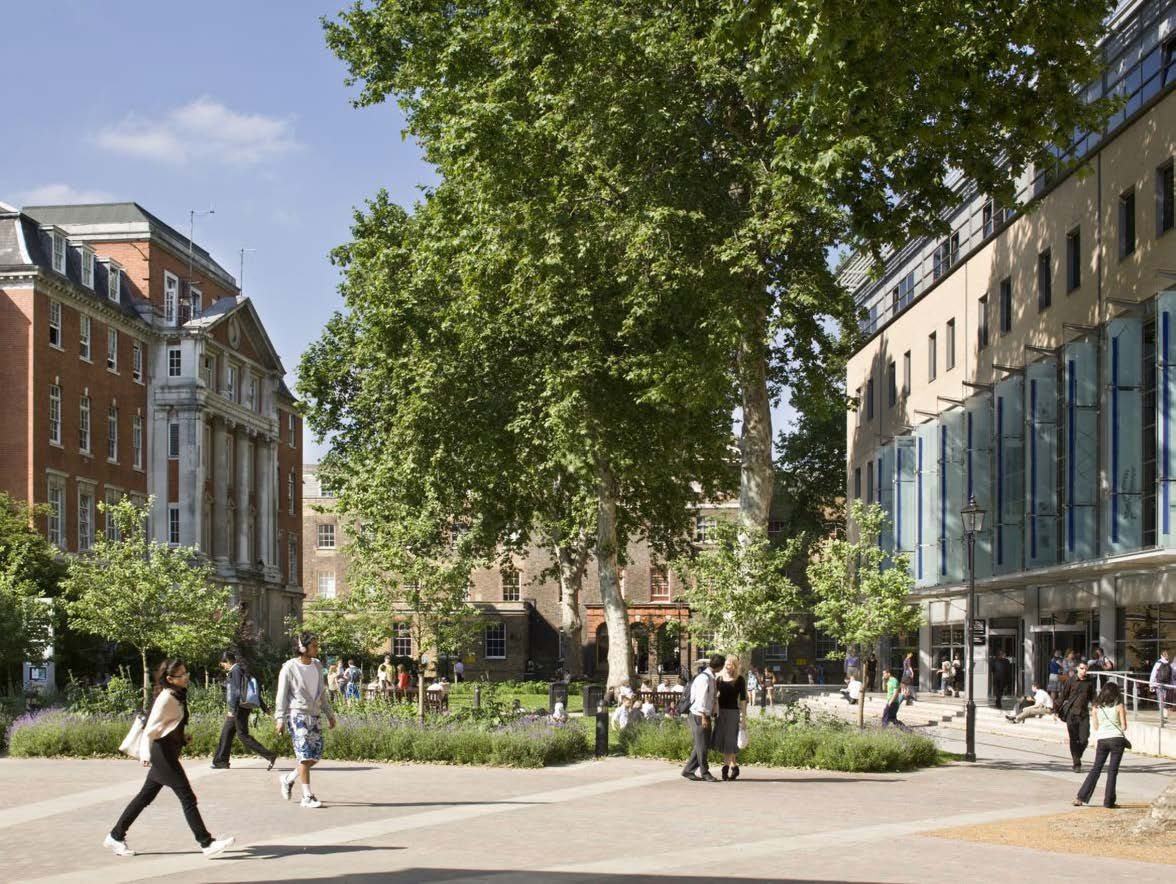
London is one of the world’s great student cities, for good reasons. English is everywhere — on the Tube, in museums, in cafés — so students practise the language all day, not just in lessons. The city is home to world-famous sights, free national museums and some of the most respected universities on the planet, which makes it an inspiring place for a teenager to spend a summer.
For international families, London is also practical. It has direct flights from almost everywhere, a huge range of cultures and cuisines (helpful for homesick students), and excellent public transport. A London summer school for international students combines serious English study with the experience of living in a global capital — often a first taste of independence before university.
There is also a confidence effect that parents consistently report. Teenagers who have navigated a big city in a second language, made friends from other countries and managed their own daily routine come home noticeably more independent. For students considering boarding school, a gap experience or university study in the UK later on, a London summer is a low-risk rehearsal: long enough to be genuinely formative, short enough that homesickness rarely has time to take hold.
London Summer School for International Students: Our Six Programmes Compared
We offer six London programmes for 2027. All are residential unless day places are noted, and all include 24-hour supervision. One important note before the table: courses are held at these well-known venues, but they are not run by the universities or schools themselves.
| Programme | Location | Ages | 2027 dates | Length | Fees from | Best for |
|---|---|---|---|---|---|---|
| King’s College London | Central London | 13–18 | 4 Jul – 15 Aug | 2 or 4 weeks | £3,600 | Older teens wanting a classic central London experience |
| London Westminster | Westminster | 7–17 | 4 Jul – 15 Aug | 1–6 weeks | £1,050 | Flexible stays of 1–6 weeks, younger students |
| Whitgift School | South London | 12–18 | 4 Jul – 15 Aug | 2–6 weeks | £4,350 | A traditional boarding-school campus with extensive grounds and sport |
| Dulwich College | South London | 12–16 | 12 Jul – 23 Aug | 2 or 4 weeks | £3,495 | A leafy, village-style campus with an easy journey into the centre |
| UCL Career Camps | Central London | 15–18 | 27 Jun – 13 Aug | 1–3 weeks | £1,799 | Career taster courses for older teens thinking about future subjects |
| Future Pathways London | London | 15–18 | 27 Jun – 7 Aug | 2 weeks | £3,745 | University preparation and academic enrichment for motivated students |
On most residential courses, fees include tuition, accommodation, all meals, activities, excursions with entrance fees, weekly laundry, a certificate and 24-hour supervision. You can see exactly what is covered on our fees and dates page. To secure a place, the deposit is £1,000 per student (£2,000 for Future Pathways), deducted from the total, with the balance due by 1 April 2027. There is no booking fee.
A few costs sit outside the course fee, so budget for them from the start. Airport transfers cost £150 each way unless your programme includes them, and most families send around £100 per week in pocket money. Flights, travel insurance and any visa fees are also separate. Because the deposit is deducted from the total fee and there is no booking fee, the price in the table is a reliable starting point for comparing the six programmes.
Central London vs South London Campuses
The biggest choice after budget is campus style. Central London programmes — King’s College London, London Westminster and UCL Career Camps — put students in the middle of the action. Landmarks are a short walk or Tube ride away, excursions are easy, and older teenagers enjoy the energy of the city. The trade-off is that central campuses are more compact, with less green space.
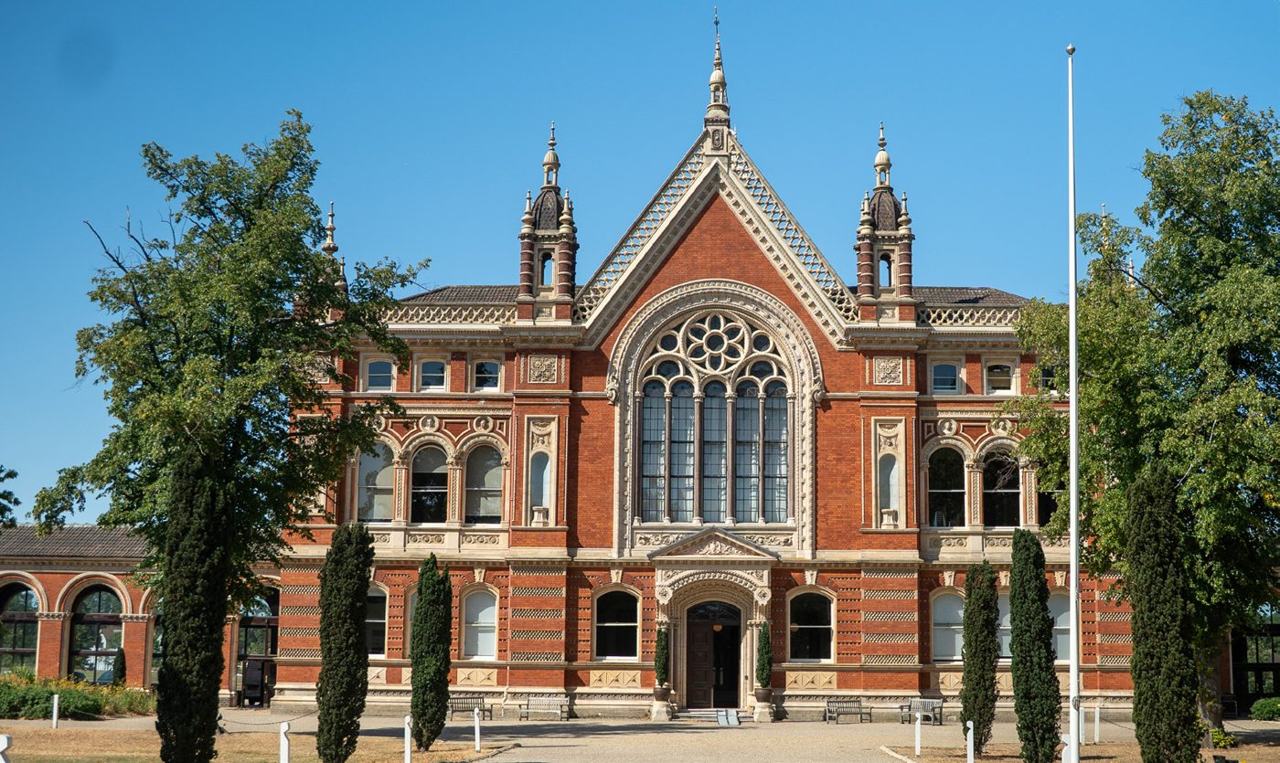
South London programmes — Whitgift School and Dulwich College — feel more like classic British boarding schools: playing fields, gardens and larger grounds, in quieter residential areas. Students still travel into central London for excursions, but daily life is calmer and more campus-based. Many parents of younger or first-time travellers prefer this balance, while confident older students often choose the buzz of the centre.
Travel time is the other practical difference. From South London campuses, the journey into the centre typically takes 30 to 45 minutes, which staff plan into excursion days. From central campuses, students can often walk to museums and theatres. Neither is better in absolute terms — it depends on whether your child would rather wake up surrounded by green fields or by the city itself. Many families choose central London for a first trip because sightseeing is effortless, then a campus-style school the following year for a deeper boarding experience.
Residential Life and Supervision
For most students, residential life is the highlight of the summer. Students live in boarding accommodation on or near the campus, share meals with new friends from around the world, and follow a full programme of evening activities. All meals are included on residential courses, and weekly laundry is taken care of, so students can focus on enjoying themselves.
Supervision matters to every parent, and all six programmes include 24-hour supervision. Staff live on site, students are accompanied on excursions, and there are clear rules about free time, phones and leaving campus. We suggest pocket money of around £100 per week for snacks, souvenirs and small extras. If you have questions about pastoral care for a particular age group, our team is happy to talk it through — just get in touch using the details at the end of this guide.
A typical day helps parents picture this. Lessons run in the morning, when students are freshest, followed by lunch in the dining hall. Afternoons mix sports, arts and project work, and evenings are organised too — quizzes, talent shows, film nights and discos are standard summer school fare. Bedtimes are age-appropriate and supervised. Students usually share rooms with others of a similar age, ideally from different countries, which quietly does as much for their English as the lessons do.
Excursions: What Students Actually See
London is the classroom outside the classroom. Typical excursions across our programmes include the Tower of London, the British Museum, Westminster and Buckingham Palace, plus shopping and sightseeing in areas such as Covent Garden and South Bank. Visit London, the city’s official visitor guide, is a good place to preview what your child will see. Excursions with entrance fees are included in the fees on most residential courses, and students always travel with staff.
Full-day trips usually happen at weekends, with half-day outings during the week, so sightseeing never eats into lesson time. Students see the London of postcards — but also the working city: markets, parks, university districts and neighbourhoods most tourists miss. For older students especially, these excursions double as quiet research for the future; walking through a university quarter at seventeen has a way of clarifying ambitions.

Day vs Residential: Which Is Right?
Residential places suit most international students: everything is organised, friendships form quickly, and English is spoken from breakfast to lights-out. Day places — available on some programmes, depending on the week — work well for families who are staying in London together, or who have relatives nearby. Day students join lessons and activities but return to their family accommodation each evening. If you are unsure which option fits your plans, tell us where you will be based and we will advise honestly.
One honest consideration: day students miss some of the social life that happens after dinner, when friendships really form. If your family will be in London anyway, a good compromise is a residential place with a family weekend visit in the middle. Whatever you choose, confirm the arrangement before booking, because day places are limited and allocated by week.
Is London Safe for Teenagers?
Parents ask this about every big city, and London is no exception. The honest answer is that London is a large, busy capital, and our programmes are designed with that in mind. Students are supervised around the clock, travel in groups with staff on excursions, and stay on secure school or university campuses. Within those structures, teenagers get a managed taste of independence: navigating the Tube with their group, ordering food in English, and exploring famous districts — with adults always nearby. Choosing a well-supervised programme is the single best way to make a first London trip feel safe.

Visas for International Students
Most students attend on a Standard Visitor visa or, if eligible, an Electronic Travel Authorisation (ETA). Rules depend on nationality, and they change, so always check the official guidance on GOV.UK before booking flights. Our step-by-step UK summer school visa guide explains who needs what, which documents to prepare and when to apply. Apply early: summer appointments fill quickly in many countries.
Bring copies of your booking confirmation and our confirmation letter when you travel, as border officers may ask where your child will stay and who is responsible for them. Students under 18 travelling alone should also carry parental consent details. None of this is complicated, but it is much easier handled weeks ahead than at the airport.
How to Choose Between the Six
Start with age and goal. For younger students and flexible dates, London Westminster is the most adaptable option. For a traditional boarding experience with space to breathe, look at Whitgift or Dulwich. For older teenagers, the choice is about direction: King’s College London for a broad central London summer, UCL Career Camps for short career-focused tasters, and Future Pathways London for university preparation.
Then check the practicalities: dates that fit your school holidays, a course length that matches your budget, and a campus style your child will enjoy. Every programme on this page includes supervision, meals and activities in the fee structure described above — the differences are about setting, focus and pace, not quality of care.
Frequently Asked Questions
How much does a London summer school cost in 2027?
Our London fees for 2027 start from £1,050 at London Westminster and rise to £4,350 at Whitgift School, depending on the programme and length of stay. A deposit of £1,000 per student (£2,000 for Future Pathways) secures the place, and the balance is due by 1 April 2027. Airport transfers cost £150 each way unless included in your programme.
Are the courses run by King’s College London or UCL?
No. Courses are held at these famous venues, using their facilities, but they are organised by independent summer school providers — not by the universities themselves. Venue names describe where your child will study and live, not who awards any certificate.
Can my child attend as a day student?
Day places are available on some programmes, depending on the week, and suit families staying in London. Availability varies by week, so contact us with your dates and we will confirm which programmes can offer a day place.
Do international students need a visa for a London summer school?
Many nationalities need a Standard Visitor visa or an ETA before travelling. Our visa guide explains the process in detail, and GOV.UK carries the official rules. We recommend starting the application as soon as your place is confirmed.
What is included in the fees, and how much pocket money is needed?
On most residential courses, fees include tuition, accommodation, all meals, activities, excursions with entrance fees, weekly laundry, a certificate and 24-hour supervision. We suggest around £100 per week in pocket money for personal extras.
Ready to Book Your London Summer?
Places on the most popular weeks fill early, especially at the central London campuses. Browse the programmes above, then complete our short booking form to reserve a place, or talk to our team first at info@summerschool-uk.com or +44 (0)7414 936818. We will help you pick the right London summer school for your child — and we answer every enquiry personally.
Residential summer courses at leading UK schools and universities.